
Floor Chair Bags: Identify the Closure Components
For a floor-chair storage bag enquiry, first ask whether a bag is included in the actual chair offer. If it is offered, request a supplier reference for its mouth closure, cord arrangement and any retaining components. Link those details to the selected bag and chair version. A catalogue view showing bags is a useful identification reference, but it does not establish an agreed accessory, a closure mechanism specification or a tested carrying result.
Supplier-published catalogue reference. Appearance, pictured accessories and styling do not by themselves establish the commercial scope, a measurement or a verified performance result.
Confirm which bag belongs to the floor-chair offer
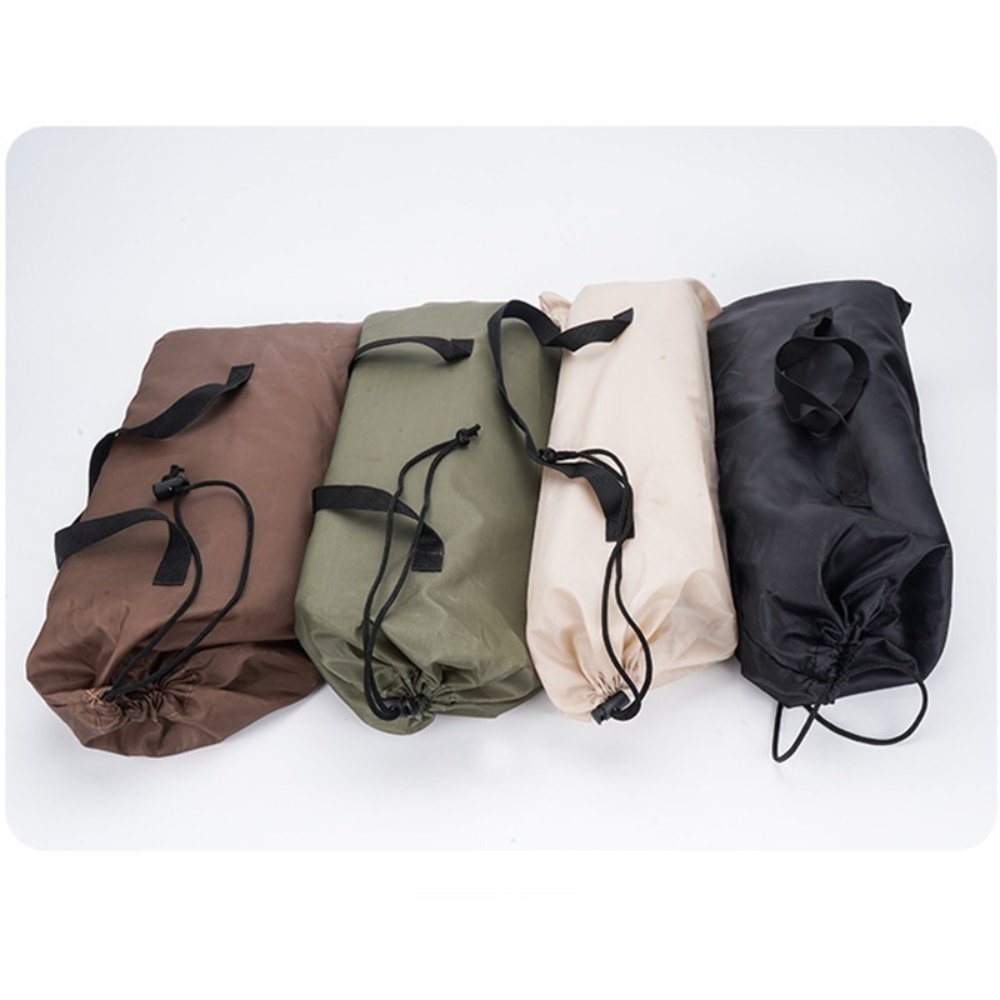
Jiuhui publishes a Floor-Sitting Backrest Chair with official gallery views of the chair and associated bag presentations. One catalogue image shows several drawcord-style bags in different colours. That image can help a buyer ask about the proposed bag, but it does not state which pictured bag, colour or accessory arrangement belongs to a particular quotation. Ask the supplier to identify the exact offered combination.
Attach the official floor-sitting chair page to the enquiry. Keep the bag reference separate from the chair name, and record whether the supplier proposes an included bag, an optional item or another commercial arrangement. Do not transfer the accessory statement of a different stool product to this floor chair. The relevant answer must apply to the actual selected chair offer.
Request a marked closure-component view
Ask for a clear view identifying the bag mouth and the components that the supplier says form its closure. Where the proposal uses a cord or retaining component, request the manufacturer name or reference for each relevant feature. Keep the supplier explanation with the marked image. Do not infer an internal mechanism, cord material or component count merely because a small dark shape is visible in a catalogue photograph.
Distinguish a closure cord from a carrying handle or shoulder arrangement. These features can appear close together in a folded-bag image, but their presence does not make them the same component. Ask the supplier to mark the intended function of each feature in the proposed bag. A buyer should be able to identify what is meant without reconstructing a use procedure from a small gallery view.
Supplier-published catalogue reference. Appearance, pictured accessories and styling do not by themselves establish the commercial scope, a measurement or a verified performance result.
Keep closure geometry and use information separate
If the order requires a defined opening or cord reference, ask the supplier to state the relevant attribute and its endpoints. Keep the actual bag state identified in any drawing or measurement. A bag shown flattened, gathered or filled can present different outlines. Do not scale a photograph to obtain an opening size, assume the chair will fit in every pictured bag or invent a cord length for the offered version.
Where handling information is needed, request the applicable supplier guidance for the identified bag and closure. Keep that document tied to the offered version. This article does not supply an operating procedure or advise a buyer to dismantle, shorten or substitute closure parts. A catalogue image identifies the subject of the enquiry; the manufacturer should provide the information needed to understand the actual proposed accessory.
Buying field
Requested supplier response
Commercial scope
Included, optional or other supplier-confirmed bag offer
Bag reference
Actual proposed version matched to the chair
Mouth region
Marked view identifying the closure area
Closure components
Supplier names and references for applicable parts
Separate functions
Closure, handles and carrying features distinguished
Guidance
Applicable supplier document and revision
Evidence scope
Identification kept separate from any evaluation result
Avoid unsupported carrying and retention claims
A closure description is not evidence of a load rating or a guarantee that contents will remain retained during handling. Do not infer those results from visible cord thickness, a handle shape or a closed-looking bag. If the intended purchase requires an evaluation, agree the actual configuration, responsibility and acceptance requirements separately. Request a performed record only for the bag and chair combination to which it applies.
Keep the physical sample reference visible in any review. The supplier may provide a bag on its own or a chair-and-bag sample, and those are different scopes. Record the proposed combination and unresolved questions without claiming that an unperformed test has passed. A changed retaining component or bag opening should prompt a revised identification record rather than an assumption that every earlier observation automatically covers the new proposal.
Supplier-published catalogue reference. Appearance, pictured accessories and styling do not by themselves establish the commercial scope, a measurement or a verified performance result.
Carry the component references into the order
Retain the confirmed accessory scope, marked closure view and relevant supplier guidance with the quotation. Ask the supplier to identify changes to the proposed bag or closure components before treating an earlier reference as current. A colour change does not necessarily describe a construction change, while an unchanged colour does not prove that the component arrangement is identical. Keep appearance and construction references clear enough to compare.
At receipt, distinguish a missing quoted accessory, a different bag reference and a visibly different closure feature. Describe each observation against the accepted order record and ask the supplier to clarify gaps. This keeps the discussion specific to the actual floor-chair accessory without inventing a supplied bag, cord material, compatibility result, carrying capacity or promise of retention. The useful output is a supplier-confirmed component record that a purchasing team can follow.
Buyer FAQ
Does a bag in the chair gallery mean it is included?
Not by itself. Ask the supplier to confirm the accessory scope and actual bag reference in the chair quotation.
Is a closure cord also a carrying handle?
Do not assume that. Ask the manufacturer to identify the intended function of each feature in the offered bag.
Does the closure picture prove a carrying load?
No. A catalogue image identifies a feature. Any required carrying or retention evaluation needs a defined scope and actual evidence for the proposed configuration.
Supplier response checklist
Actual offered product and applicable version
Supplier reference, defined scope and identified sample
Confirmed statements separated from open questions
wholesale backrest chairsB2B supplier sample record