
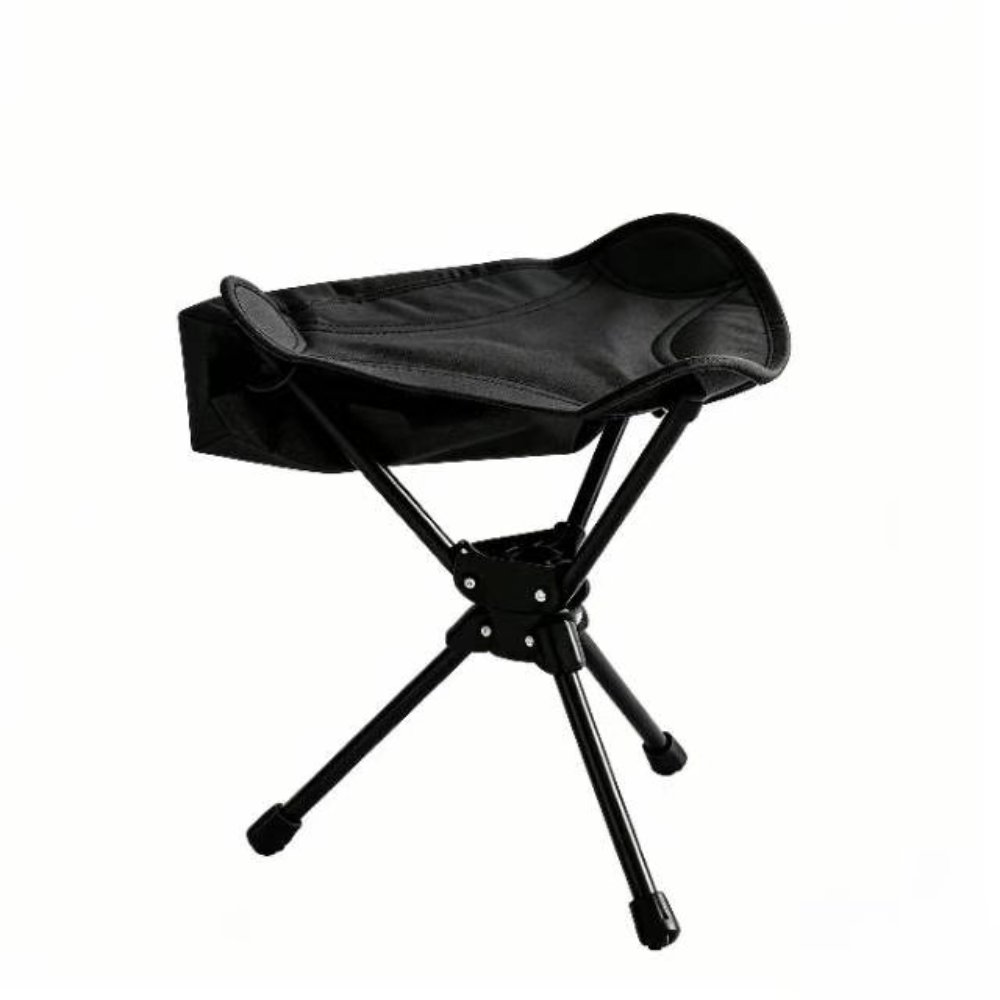
Folding Stool Seats: Mark the Seam Reference
For wholesale folding stools, request a seat-seam reference that identifies the offered sample, the visible joining lines and the close-up views the supplier will use for approval. Mark the relevant edges and junctions on one product image, then connect each location to a supplier response. A catalogue picture helps identify the stool; its visible stitching does not establish a thread specification, a construction tolerance or a load result.
Official catalogue appearance reference for identifying the offered sample. The image does not establish the requested seam specification, fit measurement or performance result.
Identify the actual seat sample
The official catalogue lists a Triangular Folding Stool, describes it as customizable and mentions a storage bag. Use that product reference to begin the enquiry. Ask the supplier to identify the particular offered seat version and the sample shown in its response. Keep the seat reference and the bag reference separate so that a reply about an included accessory cannot silently substitute for information about the seat construction.
Record the sample appearance and the product state shown in each view. The catalogue images provide an assembled stool presentation and related product context. They do not show every concealed face or join. If the enquiry needs an underside or an obscured junction, request a corresponding supplier sample view. Identify that missing view as an open question until the supplier supplies it, rather than completing the unseen construction from the front photograph.
Create a small map of the seam locations
Give the buyer reference image simple labels for the edges or junctions being discussed. The labels are enquiry references, not manufacturer part numbers. Ask the supplier to match each label to a close-up photograph and to state which visible line is a sewn join, an edge finish or another feature. A stitched-looking line in a catalogue image should retain that visual description until its construction is confirmed.
Choose locations that matter to the purchasing question. A seat perimeter, an overlapping-looking region or an attachment area can each need a different supplier response. Keep the original image beside the marked copy so both parties can locate the same area. A useful map prevents several different joins from being described only as the stitching, while allowing the supplier to correct a label that was placed on the wrong feature.
Official catalogue appearance reference for identifying the offered sample. The image does not establish the requested seam specification, fit measurement or performance result.
Buying field
Requested supplier response
Offered seat version
Identify the product reference and sample used for the seam discussion.
Image location
Connect a buyer label to an identifiable edge or junction on the reference view.
Construction description
Ask the supplier what the selected visible line represents and which components meet there.
Detail view
Request a close-up of the same sample with the location and viewing face stated.
Specification response
Record the supplier-declared seam or edge-finish fields needed for the offer.
Approval boundary
Keep the decision scope and any unseen areas or unanswered fields visible.
Ask for the specification behind the appearance
Request the construction description relevant to each labelled location. The supplier may need to identify the joining arrangement, an edge treatment, the components involved or another offered detail. Let the response state the actual construction. This guide does not prescribe a stitch type, thread material, number of passes, reinforcement design or acceptance limit for the stool.
If the buyer requires a measurable seam attribute, ask which attribute the supplier can declare and how it is defined for the selected sample. Connect the answer to its location on the map. Keep a general description, a nominal specification and a measured observation as separate entries. A photograph can support the location reference while a supplier document supplies information that cannot be read reliably from an overview image.
Agree what the sample decision covers
State whether the seat is being reviewed for an initial quotation, a proposed construction or a specific purchasing revision. Ask the buyer to identify the part of the response that it accepts and the items that still need clarification. An acknowledged photograph is a record of a view; the purchasing document should say which construction response, version and sample it approves.
Keep appearance review separate from any required performance evaluation. The catalogue presentation does not supply a verified capacity, durability or safety assessment for a labelled seam. If such evidence is required for the intended purchase, request it within its own identified scope. Preserve the seam map as the construction reference so that a later document can be linked to the correct offered sample without extending a photograph into an unprovided test result.
Official catalogue appearance reference for identifying the offered sample. The image does not establish the requested seam specification, fit measurement or performance result.
Carry the reference through quotation and receiving
Include the supplier product reference, seat revision and map identifier in the quotation record. If the supplier changes a component or a joining arrangement, ask which labelled locations are affected. Retain the previous sample reference and request the updated views needed for that change. A picture of a different colour or an updated bag does not by itself explain whether the seat construction has changed.
At receiving, use the same location labels to record a visible difference. Identify the delivered item, the view and the relevant sample reference before asking the supplier to explain it. Preserve a clear observation such as a changed visible join path or an area that is not accessible in the supplied view. Decisions about cause, acceptance or further evaluation should follow the agreed purchasing scope and the supplier response.
Name the actual offered seat version and sample.
Map each enquiry location to a corresponding supplier detail view.
Retain the construction response and the sample decision together.
Buyer FAQ
Does the listed storage bag identify the seat seam?
The bag is a separate accessory reference. Use the actual seat sample and a location map to obtain the supplier construction response for the stool itself.
Can a buyer specify a stitch by looking at the catalogue?
The overview supports a visual location reference. Ask the supplier to identify the actual construction and supply the relevant specification instead of assigning a stitch type from a small picture.
What should happen when the underside is not visible?
Request a view of the identified sample at the relevant location. Keep that view pending in the record; a front photograph does not provide the missing face or hidden joining arrangement.
Does approval of a seam photograph establish a load rating?
A photograph documents appearance at a location. Any required capacity or other performance evidence needs a separately identified supplier record with its actual scope.
How should a revised construction be tracked?
Preserve the earlier map, identify the changed version and ask the supplier which labelled locations differ. Record the updated views and the buyer decision before extending the old approval.
Use the official triangular stool page to identify the product, then request the mapped seat details through the supplier contact page. Related buying questions are available in the blog. Confirm the actual offered seat version before applying a sample reference to an order.
wholesale folding stoolsB2B supplier sample record